
Embarking on a camping adventure can be one of the most exhilarating ways to connect with nature and escape the hustle and bustle of everyday life. However, for beginners, the thought of venturing into the wild can also be intimidating. The good news is that with the right knowledge and preparation, you can ensure a safe and enjoyable experience. In this comprehensive guide, we will explore essential camping safety tips for beginners, helping you navigate the great outdoors with confidence.
Understanding Camping Safety
Camping safety encompasses a variety of practices designed to protect you from potential hazards while enjoying the great outdoors. From preparing your gear to understanding wildlife interactions, each aspect is vital for a successful camping experience. As you prepare for your adventure, keep safety your top priority.
The Importance of Preparation
Preparation is key to a successful camping trip. Before you even set foot in the great outdoors, take the time to plan your trip thoroughly. This includes researching your destination, understanding the weather conditions, and knowing the rules of the area you are visiting.
For example, if you are planning to camp in a national park, familiarize yourself with the specific regulations, such as campfire restrictions, wildlife interactions, and trail guidelines. This knowledge will not only keep you safe but also enhance your overall experience.
Essential Gear for Camping Safety
Having the right gear is fundamental to your safety while camping. Here’s a rundown of essential items you should consider bringing along:
Shelter and Sleeping Gear
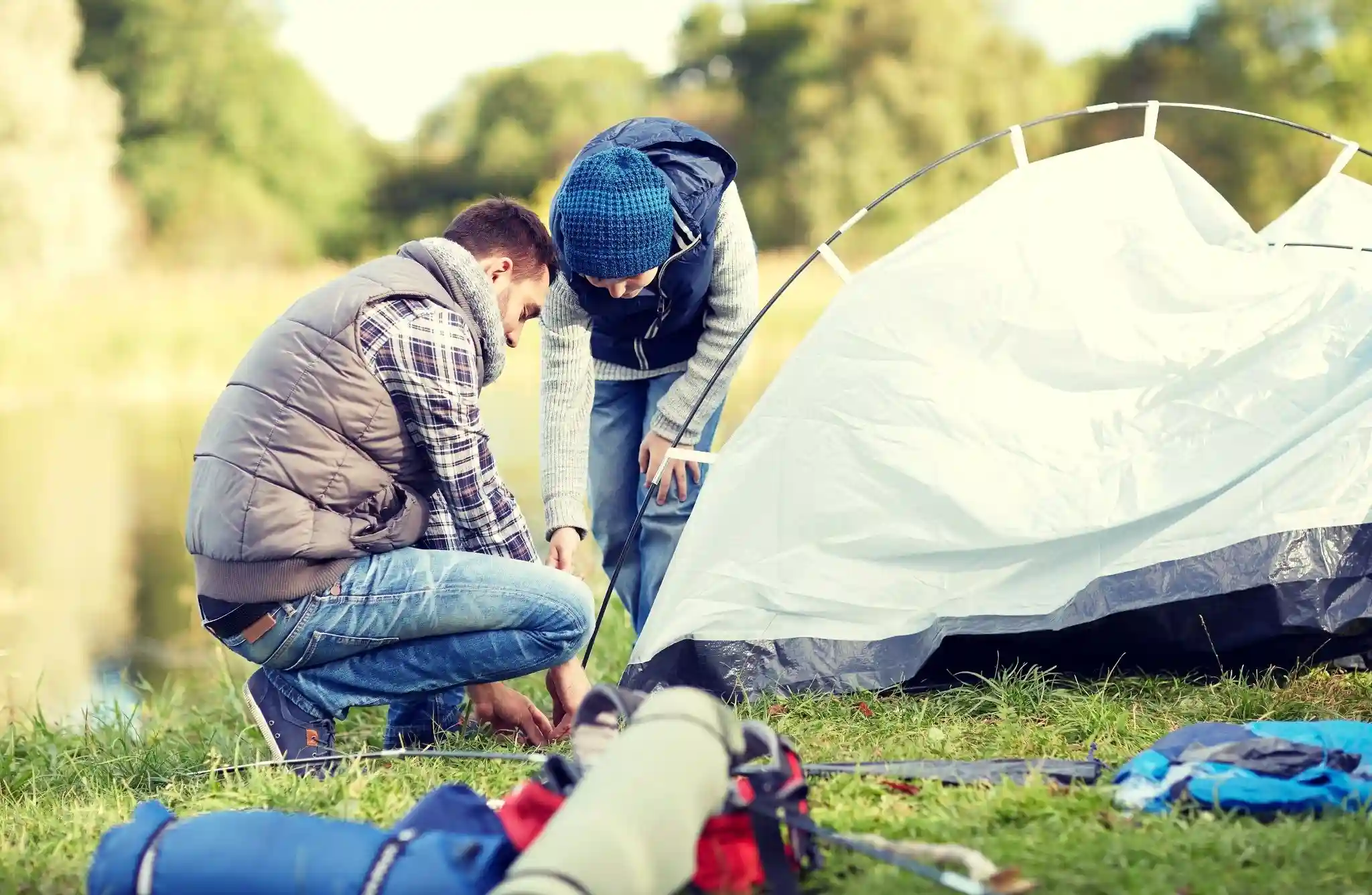
Your tent is your home away from home in the wilderness. Choose a tent suitable for the weather conditions you expect. For instance, a four-season tent is ideal for colder environments, while a lightweight backpacking tent suits milder climates. Ensure that your tent is properly set up and secure to withstand wind and rain.
Sleeping bags and sleeping pads are equally important. Select a sleeping bag rated for the temperatures you’ll encounter, and invest in a good sleeping pad for insulation and comfort. Camping expert Emily Parker emphasizes, “A good night’s sleep can make all the difference in your camping experience. Don’t skimp on your sleeping gear.”
Cooking Equipment
Cooking outdoors can be a wonderful experience, but it also comes with safety concerns. Bring a portable stove or grill, along with the necessary fuel. Always cook in a well-ventilated area and keep flammable items away from the cooking site.
Additionally, a basic cooking kit should include pots, utensils, and a first-aid kit. Having a first-aid kit on hand ensures that you are prepared for minor injuries or accidents that may occur while cooking or handling equipment.
Clothing and Footwear
Dress appropriately for the weather and terrain. Layering is key, as it allows you to adjust your clothing based on changing temperatures throughout the day. A moisture-wicking base layer, an insulating mid-layer, and a waterproof outer layer will keep you comfortable and protected.
Footwear is equally important. Invest in sturdy hiking boots that provide good ankle support and traction. Avoid wearing cotton socks, as they retain moisture and can lead to blisters. Instead, opt for moisture-wicking socks designed for hiking.
Navigating the Great Outdoors Safely
Once you’ve prepared your gear, it’s time to focus on safety while navigating the wilderness. Here are some essential tips to keep in mind:
Know Your Surroundings
Familiarize yourself with the area where you’ll be camping. Study maps and trail guides, and consider downloading offline navigation apps on your smartphone. Understanding the terrain can help you avoid getting lost and make informed decisions about your route.
Stay on Designated Trails
When hiking, always stick to marked trails. Venturing off the path can lead to dangerous situations, including getting lost or damaging the environment. Trails are often designed to minimize risks and protect natural habitats.
Carry a Map and Compass
While technology is convenient, relying solely on GPS can be risky. Battery life can drain quickly in remote areas, and signals may be weak. Carry a physical map and a compass as backup navigation tools. Knowing how to read a map and use a compass is a valuable skill for any camper.
Wildlife Awareness
Interacting with wildlife is one of the joys of camping, but it can also pose risks. Understanding how to coexist safely with nature’s creatures is essential.
Food Storage
Improper food storage can attract wildlife, leading to dangerous encounters. Store food in bear-proof containers or hang it from a tree away from your campsite. This practice not only keeps your food safe but also protects you from curious animals.
Recognizing Hazardous Wildlife
Educating yourself about the wildlife in your camping area is crucial. Know how to identify potentially dangerous animals such as bears, snakes, and cougars. For example, if you encounter a bear, remain calm and avoid direct eye contact. Back away slowly while making noise to alert the bear of your presence.
Leave No Trace Principles
Adhering to Leave No Trace principles is vital for preserving the environment and ensuring safety. These guidelines encourage campers to minimize their impact on nature. This includes packing out all trash, staying on designated trails, and respecting wildlife habitats.
Fire Safety
Campfires are a beloved camping tradition, but they also come with risks. Familiarize yourself with fire safety practices to ensure everyone stays safe around the flames.
Building a Safe Campfire
When building a campfire, choose a designated fire pit if available. Clear the area of any flammable materials and keep your fire small and controlled. Never leave a fire unattended, and always have water or a shovel nearby to extinguish it.
Extinguishing a Fire Properly
When it’s time to put out your fire, do so thoroughly. Douse the flames with water until they are completely extinguished, and stir the ashes to ensure there are no remaining embers. This practice prevents wildfires and protects the surrounding environment.
Emergency Preparedness
Even with the best planning, emergencies can happen. Being prepared can make a significant difference in how you handle unexpected situations.
First-Aid Knowledge
Familiarize yourself with basic first-aid techniques, such as treating cuts, scrapes, and insect bites. Knowing how to respond to common camping injuries can help you stay calm in emergencies. Consider taking a first-aid course before your trip to build your confidence.
Emergency Communication
Establish a communication plan with your group. Determine a meeting point in case anyone gets separated, and ensure that all members have a charged phone or two-way radio. If you’re camping in a remote area, consider carrying a satellite phone or personal locator beacon for emergencies.
Know the Emergency Numbers
Before heading out, research the local emergency numbers for the area where you’ll be camping. Familiarize yourself with the nearest hospital or emergency services. Having this information readily available can save valuable time in a crisis.
Real-Life Camping Safety Stories
To underscore the importance of camping safety, let’s look at a couple of real-life examples.
In 2019, a group of friends set out for a weekend camping trip in the national forest. They were eager to explore the wilderness but neglected to check the weather forecast. A sudden storm rolled in, and they weren’t prepared for heavy rain and high winds. Their tents collapsed, and they struggled to stay dry. Thankfully, they had a backup plan and were able to move to a nearby shelter, but it served as a harsh reminder of the importance of preparation.
On another occasion, a family went camping in a remote area without proper food storage. They left their food in their tent, attracting a curious bear. Fortunately, they were able to scare it away, but the encounter could have ended badly. This experience highlighted the importance of understanding wildlife behavior and practicing safe food storage.
Conclusion
Camping can be an incredibly rewarding experience, allowing you to connect with nature and create lasting memories. However, safety should always be your top priority. By following these essential camping safety tips for beginners, you can ensure a safe and enjoyable adventure in the great outdoors.
Preparation is key, from choosing the right gear to understanding your surroundings. Stay aware of wildlife, practice fire safety, and prioritize hydration and nutrition. With the right knowledge and mindset, you can navigate the wilderness with confidence and make the most of your camping experience.