
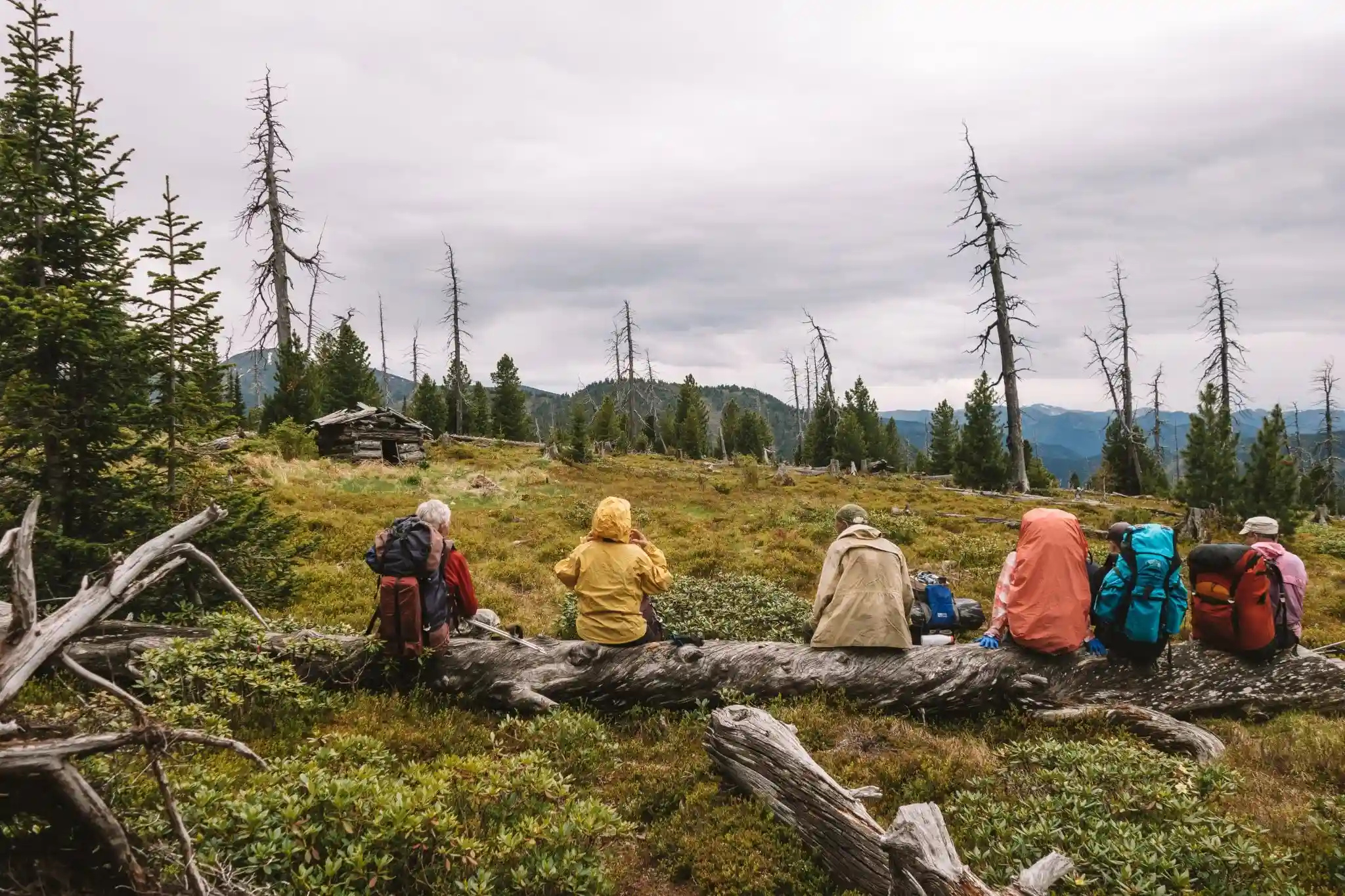
Planning a group outdoor adventure can be one of the most rewarding experiences, whether it’s for a family reunion, a corporate retreat, or just a fun day out with friends. However, choosing the right adventure can be daunting. With so many options available, how do you ensure that everyone in your group has an unforgettable time? In this guide, we’ll delve into the key factors to consider when selecting the best outdoor adventure for groups. From understanding group dynamics to exploring various activities, this article will help you make informed decisions that cater to everyone’s preferences and skill levels.
Understanding Your Group’s Dynamics
Before diving into the world of outdoor adventures, it’s essential to understand the dynamics of your group. Every group is unique, and their interests, physical abilities, and comfort levels vary. Start by gathering input from everyone involved. Ask questions like:
- What are everyone’s interests?
- Are there any physical limitations to consider?
- What is the desired level of adventure?
For instance, if you’re planning a weekend getaway with a mix of friends and family, you might find that some prefer relaxing activities, while others crave adrenaline-pumping experiences. Understanding these dynamics will help you tailor your adventure to suit the group’s needs.
Engaging Everyone
Incorporating everyone’s interests is crucial for a successful outdoor adventure. For example, if you have a mix of nature enthusiasts and thrill-seekers, consider planning a day that includes both hiking and rock climbing. This way, those who prefer a more leisurely pace can enjoy the hike while the adrenaline junkies tackle the climbing challenges.
Assessing Skill Levels
Once you have an idea of your group’s interests, the next step is to assess their skill levels. This is particularly important for activities that demand physical exertion or specific skills. If your group includes seasoned adventurers, they may seek more challenging pursuits, while beginners might prefer easier options.
Expert Insights on Skill Assessment
According to outdoor expert and author Sarah Smith, “It’s essential to match the activity to the skill level of the participants. This not only enhances safety but also ensures everyone has fun.” For example, if your group includes inexperienced hikers, opting for a beginner-friendly trail will help prevent frustration and injuries.
Researching Outdoor Adventure Options
With the group dynamics and skill levels in mind, it’s time to research different outdoor adventure options. Here are some popular group outdoor adventures to consider:
Hiking and Nature Walks
Hiking is a classic outdoor activity that offers something for everyone. It’s an excellent choice for groups because it can be easily tailored to different skill levels. Research local trails and choose one that aligns with your group’s abilities. Websites like AllTrails provide detailed information on trails, including difficulty ratings, length, and user reviews.
For instance, a group of friends planning a weekend hiking trip in the Smoky Mountains may opt for the Laurel Falls Trail, a moderate hike known for its stunning waterfall views. This trail is accessible and provides a rewarding experience for both novice and experienced hikers.
Camping Adventures
Camping is another fantastic option for group outdoor adventures. It allows for bonding over campfires, storytelling, and shared experiences. When choosing a campsite, consider amenities, accessibility, and group size. National and state parks often have designated camping areas for groups.
Imagine a family reunion where relatives set up tents at a state park. The kids can explore nature, while the adults bond over cooking outdoors. Camping offers a unique opportunity to disconnect from technology and reconnect with each other.
Water Sports Activities
If your group enjoys water activities, consider options like kayaking, paddleboarding, or canoeing. These activities can be both exhilarating and relaxing, depending on the water conditions. For instance, a guided kayak tour on a calm lake can be perfect for families with young children, while a white-water rafting trip might suit thrill-seekers.
According to outdoor instructor Mark Thompson, “Water sports can be an excellent way for groups to experience teamwork and camaraderie. Paddling together fosters communication and collaboration.” This is especially true in activities that require coordination, such as rafting.
Team-Building Adventures
For corporate groups or team-building exercises, consider activities that promote collaboration and communication. Options include ropes courses, zip-lining, or obstacle courses. These experiences challenge participants to work together, build trust, and develop problem-solving skills.
A corporate retreat in the woods could involve a day of zip-lining followed by team-building exercises around the campfire. This not only allows for fun and adventure but also strengthens team dynamics in a relaxed setting.
Budget Considerations
When planning group outdoor adventures, budget is a crucial factor. Determine how much participants are willing to spend and factor in costs like transportation, equipment rentals, food, and accommodation. Researching affordable options can help you maximize the experience without breaking the bank.
Finding Affordable Options
For example, if your group is considering a weekend camping trip, look for parks that offer group discounts or special rates. Additionally, consider cooking meals together instead of dining out, which can significantly reduce costs. Websites like Recreation.gov provide information on camping fees and availability, helping you make budget-conscious decisions.
Safety First
Safety should always be a top priority when planning outdoor adventures. Ensure that everyone in your group is aware of safety guidelines and protocols for the chosen activity. This may include wearing a helmet for biking, a life jacket for water sports, or following specific trail rules for hiking.
Preparing for Emergencies
It’s also wise to prepare for emergencies. Encourage group members to carry basic first-aid kits and know how to use them. Before heading out, familiarize everyone with the location’s emergency procedures. Having a plan in place will ensure peace of mind as you embark on your adventure.
Real-Life Examples
To illustrate the importance of group dynamics and safety, let’s consider a couple of real-life examples.
In 2021, a group of friends planned a hiking trip to a popular national park. They were excited but neglected to assess their fitness levels and hiking experience. As a result, they chose a challenging trail that left them exhausted and frustrated. They learned the hard way that open communication about abilities is essential for a successful adventure.
In another instance, a corporate team-building event involved a day of kayaking. The organizers ensured that all participants had prior kayaking experience, leading to a seamless and enjoyable day on the water. The team members built trust and camaraderie as they navigated the rapids together, ultimately enhancing their work relationships.
Consultation and Expert Advice
When in doubt, consult experts or outdoor adventure companies. Many organizations specialize in group outdoor adventures and can provide tailored recommendations based on your group’s needs. They’re well-versed in local conditions, safety protocols, and the best activities for various skill levels.
Local Outdoor Organizations
Consider reaching out to local outdoor organizations or adventure outfitters. They often offer guided tours and can help customize experiences for groups. For example, a local climbing gym may provide group lessons and outdoor trips for those interested in rock climbing, ensuring that all participants feel safe and supported.
Combining Adventure with Learning
Outdoor adventures can also serve as educational experiences. Consider incorporating learning elements into your adventure. For instance, a guided nature hike can include discussions about local wildlife, plants, and ecosystems. This adds depth to the experience and enriches participants’ knowledge of their surroundings.
Experiential Learning
According to educational expert Dr. Emily Turner, “Experiential learning is an invaluable tool for personal growth. Outdoor adventures provide opportunities for individuals to step outside their comfort zones and learn new skills.” This can be particularly beneficial for younger participants, fostering curiosity and exploration.
Conclusion
Choosing the best outdoor adventure for groups requires careful consideration of factors such as group dynamics, skill levels, interests, and safety. By engaging with group members and exploring a range of activities, you can create an unforgettable experience that caters to everyone’s preferences.
Whether it’s hiking through stunning landscapes, camping under the stars, or tackling team-building challenges, the key is to prioritize fun, safety, and inclusivity. With the right planning and preparation, your group’s outdoor adventure can become a cherished memory that strengthens bonds and ignites a passion for the great outdoors.
FAQs
What are some popular group outdoor adventures?
Popular outdoor group activities include hiking, camping, kayaking, and team-building activities such as ropes courses. These options cater to a range of interests and skill levels, ensuring everyone can participate.
How can I ensure safety during a group outdoor adventure?
To ensure safety, clearly communicate guidelines, prepare for emergencies, and assess the skill levels of all participants. Having first-aid kits and understanding local regulations is also essential.
What should I consider when planning a group outdoor adventure?
Consider group dynamics, interests, skill levels, budget, and safety. Engaging all participants in the planning process will help create a memorable experience for everyone.