
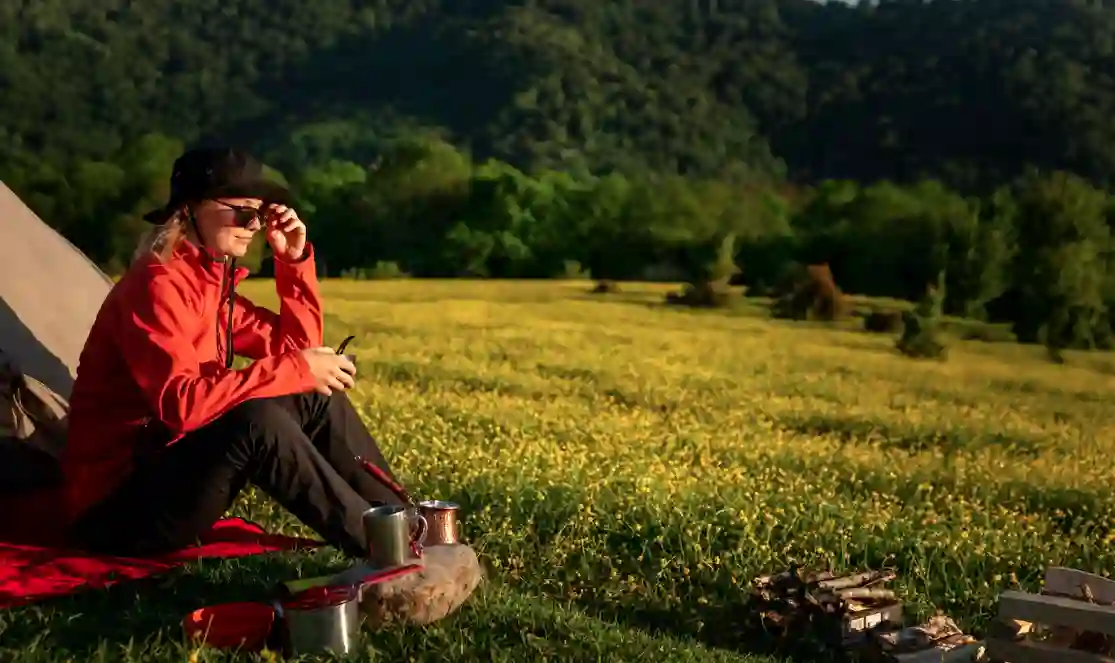
Embarking on an outdoor adventure is one of the most rewarding ways to disconnect from the pressures of daily life and reconnect with the natural world.
Whether you are a seasoned explorer or a novice looking for a fresh perspective, the success of any wilderness journey depends on careful preparation and a spirit of curiosity.
Planning an expedition requires a balance between logistical organization and an openness to the unpredictable elements of nature. By focusing on safety, comfort, and environmental respect, you can create a journey that is both thrilling and restorative.
There are several key strategies to ensure your next trip into the wild is seamless and memorable for years to come in the future.
1. Experience the Wilderness through Luxury Glamping Smoky Mountains
For those who want to immerse themselves in nature without sacrificing the comforts of home, choosing an elevated camping experience is an excellent option.
Engaging in professional glamping smoky mountains allows you to stay in the heart of an ancient and diverse ecosystem while enjoying high quality amenities like comfortable bedding and climate control.
This approach to the outdoors is perfect for families or couples who want to witness the morning mist and vibrant foliage of the highlands from a secure and stylish base.
It bridges the gap between rugged exploration and modern relaxation, ensuring a peaceful night of rest after a long day of hiking through the woods.
2. Securing the Perfect Stay with Grand Canyon Lodging
When visiting iconic natural landmarks, your choice of accommodation can significantly impact your access to the best views and trails.
Looking for specialized grand canyon lodging saint james area options provides a strategic advantage for those wishing to witness the dramatic shifts in light over the massive stone formations.
Staying in a well positioned lodge allows you to beat the midday crowds and experience the quiet majesty of the canyon during the golden hours of sunrise and sunset.
Having a reliable and comfortable place to return to after a day of traversing steep terrain is essential for maintaining your energy throughout the entire trip.
3. Prioritizing Safety with Proper Gear and Navigation Tools
The unpredictability of the outdoors means that being well equipped is a non negotiable requirement for any traveler. Always pack high quality moisture wicking clothing, sturdy footwear, and a comprehensive first aid kit.
Beyond physical gear, having reliable navigation tools such as physical maps and offline satellite applications is crucial for staying on track. Even the most popular trails can become confusing in changing weather conditions.
By preparing for various scenarios and informing someone of your planned route, you ensure that you can focus on the beauty of your surroundings with the confidence that you are prepared for any situation that might arise.
4. Researching Seasonal Weather and Local Trail Conditions
Before setting out, it is vital to understand the specific climate and environmental challenges of your destination. Seasonal changes can drastically alter the difficulty of a trail, with some paths becoming inaccessible due to snow or heavy rains.
Checking recent trail reports from local park rangers or community forums provides real time insights into any hazards or closures. Understanding the local flora and fauna also helps you pack the right protection, such as bear canisters or insect repellent.
This proactive research allows you to adjust your itinerary to match the current conditions, ensuring a safer and more pleasant experience for everyone.