
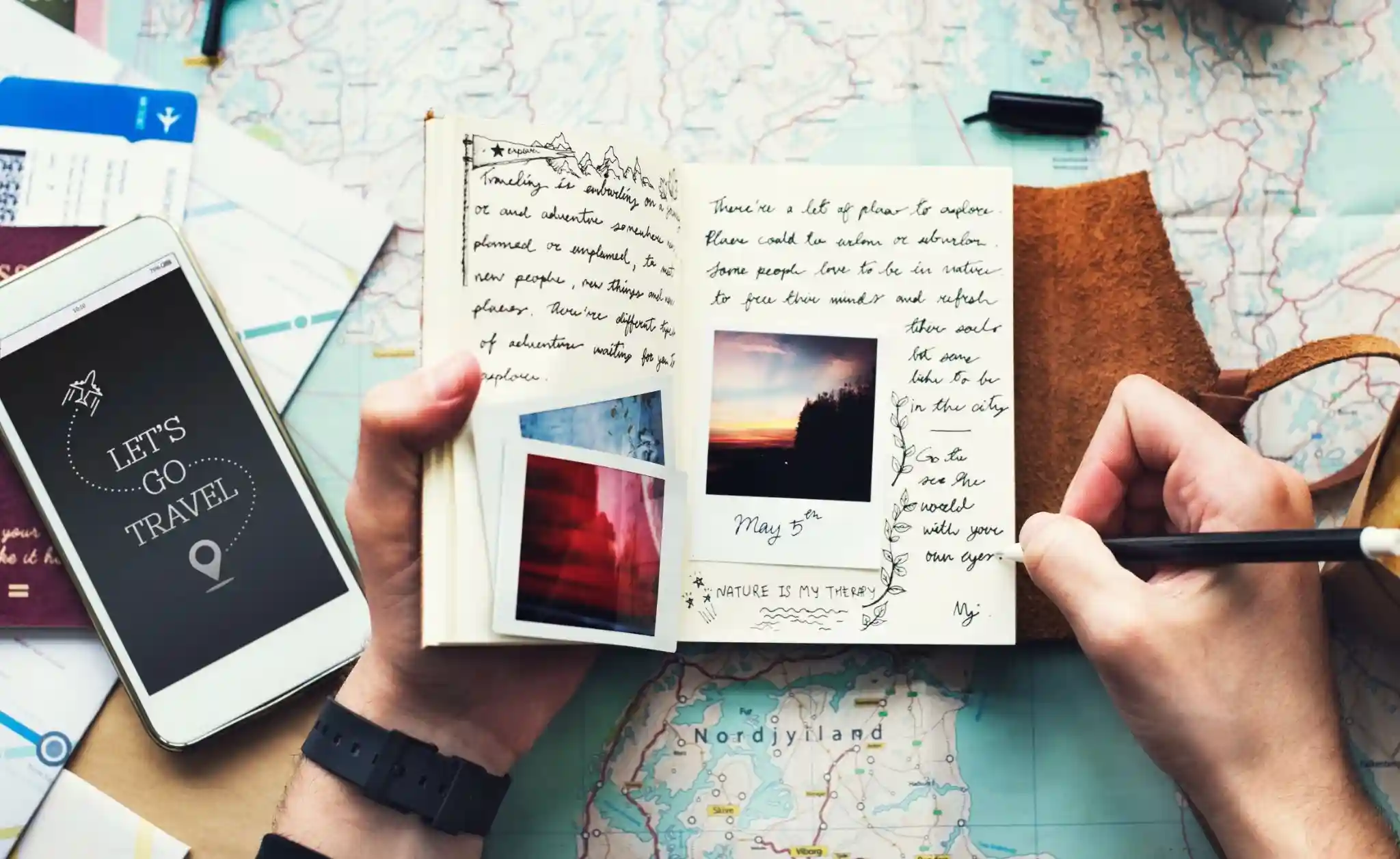
Traveling can be one of life’s greatest joys, offering opportunities to explore new cultures, landscapes, and experiences. However, without proper planning, your dream vacation can quickly turn into a stressful ordeal. A thorough travel plan is essential for transforming your travel dreams into reality. In this guide, we’ll cover the key components of effective travel planning to help ensure your next trip is as smooth and enjoyable as possible.
The Fundamentals of Travel Planning
At the heart of successful travel lies effective planning. To start, it’s crucial to set clear travel goals and priorities. Ask yourself what you want from your trip. Are you looking for adventure, relaxation, cultural immersion, or perhaps a mix of everything? By defining your objectives, you can tailor your itinerary to meet your interests and desires.
Once you establish your travel goals, you can begin the exciting process of researching your destination. Delve into the must-see sights, local cuisine, and unique activities that resonate with your interests. This initial research will serve as the foundation for a fulfilling travel experience. Knowing what to expect can enhance your anticipation and excitement leading up to your trip.
Another important aspect of planning is considering the duration of your trip. The length of your stay can significantly affect your travel experience. If you have limited time, prioritize the attractions and activities that matter most to you. Conversely, if you have a more extended period to explore, you can afford to take your time and discover hidden gems along the way.
Researching Your Destination
Thorough research is critical to successful travel. Understanding the local culture and customs is essential for making the most of your trip. Each destination has its own set of traditions, social norms, and etiquette. Familiarizing yourself with these aspects can enhance your interactions with locals and deepen your appreciation for their way of life.
For example, learning about local dining customs can make your restaurant experiences more enjoyable. In some cultures, it’s customary to share dishes, while others may have specific dining etiquette. Being aware of these practices allows you to navigate social situations more easily and shows respect for the local culture.
Another important part of your research should focus on finding the best time to visit your destination. Seasonal changes can have a significant impact on your travel experience. Some locations are more vibrant during certain times of the year, thanks to festivals, events, or pleasant weather. Conversely, visiting during off-peak seasons may offer a more peaceful and less crowded experience. Utilize online resources to check weather patterns, local events, and tourist seasons to determine the ideal time for your visit.
Additionally, when researching your destination, consider safety aspects. Look into any travel advisories or health risks associated with your chosen location. Understanding potential safety concerns can help you take necessary precautions and ensure a secure travel experience.
Creating Your Itinerary
A well-structured itinerary is a cornerstone of stress-free travel. Start by mapping out the key activities you want to include during your trip. Consider the sights you wish to see, the experiences you want to have, and the time you’ll need for each. Strive for a balance between sightseeing and downtime, allowing for moments to relax and recharge.
Over-scheduling can lead to exhaustion and frustration. Avoid the temptation to fill every hour with activities. It’s essential to create a flexible itinerary that allows for spontaneity. This flexibility can lead to delightful surprises, such as discovering a charming café or stumbling upon a local market that wasn’t on your radar. Embrace these opportunities; they often become the most cherished memories of your trip.
As you create your itinerary, consider the logistics of moving between destinations. Factor in travel time and transportation options. Whether you’re planning to walk, use public transport, or rent a vehicle, understanding the best ways to navigate your destination will save you time and stress. Make sure to account for potential delays and allow for buffer time in your schedule.
While having a plan is essential, it’s equally important to be adaptable. Sometimes, unexpected events can alter your itinerary. Embrace changes as part of the adventure. Remaining open to new experiences can enhance your travel and lead to unforgettable moments.
Budgeting for Your Trip
Budgeting is a critical component of travel planning. A well-thought-out budget can help you avoid financial stress during your trip. Start by estimating your costs and expenses, which will include accommodation, meals, transportation, activities, and souvenirs. Creating a realistic budget ensures that you can enjoy your trip without constantly worrying about money.
When budgeting, it’s essential to account for unexpected expenses that may arise. Consider setting aside extra funds for emergencies or unplanned activities. This buffer can provide peace of mind and enable you to fully enjoy your travel experience.
Finding ways to save money while traveling can make a significant difference. Research deals and discounts on accommodations and activities before your trip. Websites and apps that focus on travel deals can help you find competitive rates. Additionally, consider looking for package deals that include flights, accommodations, and activities for potential savings.
Be mindful of hidden fees that can catch you off guard. Some accommodations may charge resort fees, cleaning fees, or parking charges that aren’t included in the initial price. Being aware of these costs can help you stay within budget and avoid unpleasant surprises.
Dining can also be a significant expense during your travels. Explore local markets and street food options, which often provide delicious meals at a fraction of the cost of restaurants. Additionally, consider dining during off-peak hours to take advantage of special deals or discounts.
Accommodation and Transportation
The choices you make regarding accommodation can significantly influence your travel experience. Take the time to research different options available at your destination. Hotels, hostels, vacation rentals, and bed-and-breakfasts each offer unique benefits and drawbacks. Think about your preferences and what type of experience you want.
For instance, if you enjoy social interactions and meeting fellow travelers, a hostel may be an ideal choice. On the other hand, if you value privacy and comfort, a vacation rental or hotel might be more suitable. Consider factors such as location, amenities, and budget when making your decision.
Transportation is equally important. Determine how you will get around once you arrive at your destination. Depending on where you’re going, options may include public transportation, bike rentals, taxis, or ride-sharing services. Each method has its pros and cons, so choose what aligns with your travel style and the locations you plan to visit.
Packing Essentials for Every Trip
Packing is often seen as a daunting task, but it doesn’t have to be. Creating a packing list can help you avoid forgetting essentials and overpacking. Start by listing items you need for various activities, such as sightseeing, dining out, or outdoor adventures. This method allows you to be prepared for any situation that arises.
When packing, efficiency is key. Use packing cubes or compression bags to organize your belongings and save space. This technique can help you fit more into your luggage while keeping everything neatly arranged. Additionally, consider bringing versatile clothing that can be mixed and matched to reduce the number of items you need to bring.
Another packing strategy is to consider the climate and activities of your destination. Check the weather forecast before you leave and pack accordingly. If you’re heading to a beach destination, be sure to include swimwear, sunscreen, and lightweight clothing. Conversely, if you’re traveling to a colder region, pack layers and appropriate outerwear.
Final thoughts
Comprehensive travel planning is the key to having a stress-free trip. From researching your destination to budgeting and packing, every step plays a vital role in enhancing your experience. By following this travel planning guide, you can navigate the complexities of travel with confidence. So, take the plunge and start planning your next adventure, knowing that a well-prepared trip awaits you.
With the right preparation and a positive mindset, you can transform your travel dreams into reality. Embrace the journey, savor the experiences, and create lasting memories. Happy travels!