
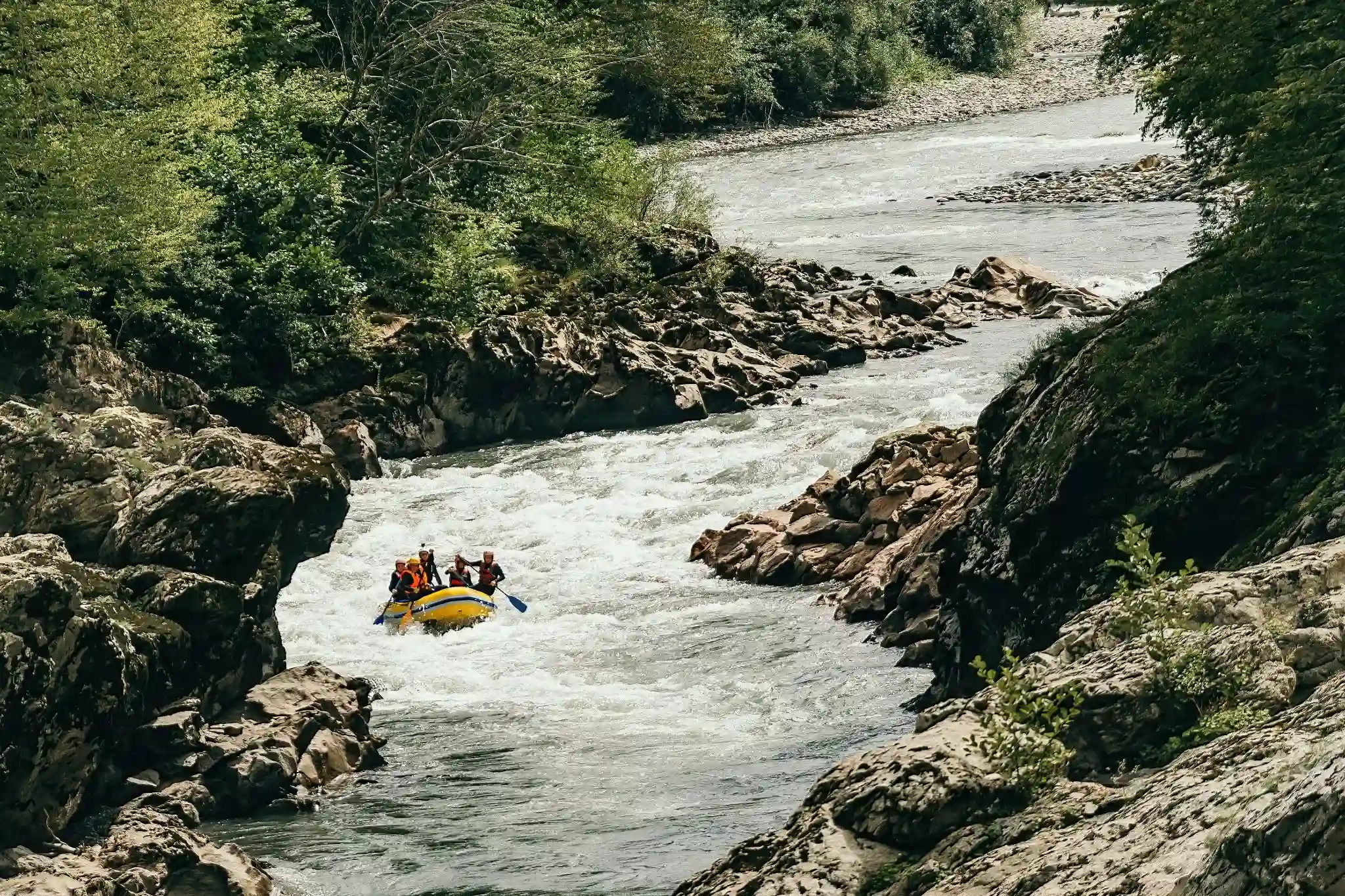
River rafting is an exhilarating way to connect with nature while enjoying an adrenaline rush. Whether you’re a seasoned rafter or a curious beginner, the river you choose can significantly impact your overall experience. Selecting the right river is not just about thrill; it’s about safety, scenery, and enjoyment. This guide will help you navigate the crucial elements to consider when choosing the best rafting river for your next adventure.
Key Factors to Consider When Choosing a River
Understanding River Classifications
Before diving into the specifics of river selection, it’s essential to understand river classifications. Rivers are categorized based on their difficulty, ranging from Class I to Class V. Class I rivers are gentle with minimal obstacles, making them perfect for families and beginners. Conversely, Class V rivers present extreme challenges, suitable only for experienced rafters. By familiarizing yourself with these classifications, you can better determine which rivers match your skill level and comfort zone.
When planning your trip, pay attention to the river’s classification. It provides a clear indication of what to expect. Beginners should start with Class I or II rivers, where the currents are mild, and the risks are lower. More adventurous rafters can seek out Class III or IV rivers, which offer thrilling rapids and obstacles. Understanding these classes ensures you select a river that aligns with your skills, making your rafting experience both safe and enjoyable.
Assessing Your Skill Level
Your personal experience and comfort in water sports play a vital role in choosing the right river. If you’re new to rafting, it’s crucial to be honest about your abilities. Evaluating your skill level helps you avoid potentially dangerous situations. Beginners should focus on rivers that offer guided tours, as these services provide the necessary expertise and support.
Consider how comfortable you are in the water. If you’re unsure about your ability to navigate rapids, starting with a guided tour can be a great choice. Guides are trained to assess conditions and provide hands-on assistance, ensuring your safety. As you gain confidence and experience, you can gradually challenge yourself with more demanding rivers. This progression allows you to build skills without compromising safety.
The Role of Location in River Selection
Scenic Beauty and Natural Features
Selecting a river is not just about the rapids; it’s also about the scenery. The natural beauty surrounding a river can greatly enhance your experience. Gorgeous landscapes, wildlife, and pristine environments make for unforgettable memories. Some rivers meander through breathtaking canyons, while others flow past lush forests or stunning cliffs. These elements can transform a simple rafting trip into an extraordinary adventure.
For instance, the Grand Canyon’s Colorado River offers unparalleled views that add to the thrill of the rapids. Paddling through such majestic landscapes creates a sense of awe that lingers long after the trip ends. Researching rivers known for their scenic beauty can help you choose a location that not only challenges you but also delights your senses.
Accessibility and Travel Considerations
Another critical factor in your river selection process is accessibility. Some rivers are remote, requiring extensive travel and planning. Consider how easy it is to reach the river and what transportation options are available. Major rivers often have nearby towns that offer lodging and amenities, making your trip more convenient.
When selecting a river for rafting, think about your travel logistics. Are there campsites nearby? What about local outfitters for equipment rentals? Understanding the accessibility of your chosen river can help streamline your planning process. A river that’s easy to reach can make your adventure more enjoyable and less stressful.
Safety and Environmental Considerations
Understanding Seasonal Variations
Rivers are dynamic environments that change with the seasons. Understanding seasonal variations is crucial when planning your rafting trip. Water levels and flow rates can fluctuate dramatically, impacting the difficulty and safety of the river. For instance, spring often brings higher water levels due to melting snow, which can create more challenging conditions.
If you’re planning a rafting trip, research the best times to visit specific rivers. Some rivers are ideal for spring rafting, while others are better in summer or fall. Each season presents unique challenges and experiences. By understanding these seasonal nuances, you can choose the right time to embark on your adventure and ensure optimal conditions.
Environmental Regulations and Conservation
As you consider your rafting options, it’s vital to respect environmental regulations and conservation efforts. Many popular rivers have guidelines in place to protect their ecosystems. Familiarize yourself with local regulations regarding camping, fishing, and wildlife interactions. Responsible practices help preserve the beauty of these rivers for future generations.
Additionally, consider seeking out eco-friendly rafting companies. Some outfitters prioritize sustainability and are committed to minimizing their environmental impact. By choosing these operators, you contribute to conservation efforts and ensure that your adventure supports the natural beauty you seek to enjoy.
Recommendations for the Best Rafting Rivers
Must-Visit Rivers for Beginners
If you’re new to rafting, there are several rivers that provide a perfect introduction to the sport. The American River in California is a fantastic option for beginners. It offers Class II and III rapids that are thrilling yet manageable. The stunning scenery and inviting waters make it an ideal location for novice rafters looking to build confidence.
Another great choice is the New River in West Virginia. Known for its friendly rapids and beautiful surroundings, it provides an excellent environment for learning. With experienced guides available, you can enjoy a safe and exciting rafting experience. These rivers not only cater to beginners but also offer captivating views and engaging experiences, making them perfect for your first rafting adventure.
Thrilling Options for Experienced Rafters
For those with a bit more experience, several rivers deliver heart-pounding excitement. The Salmon River in Idaho is renowned for its challenging rapids and stunning landscapes. It offers a mix of Class III and IV rapids, providing experienced rafters with the thrill they crave. The remote wilderness surrounding the river enhances the adventure, making it a top choice for seasoned outdoor enthusiasts.
The Gauley River, also in West Virginia, is famous for its extreme whitewater conditions. It features Class V rapids, which promise an exhilarating experience for advanced rafters. With its stunning scenery and challenging course, the Gauley River is a must-visit for those seeking the ultimate rafting adventure. Each of these rivers offers unique challenges that cater to the skills of experienced rafters, ensuring an unforgettable experience.
Conclusion: Making Your Choice
Choosing the best river for rafting is a pivotal step in planning your adventure. By considering factors like river classifications, your skill level, and the river’s natural beauty, you can find a location that aligns with your interests. Understanding safety protocols and environmental considerations will enhance your experience and ensure a responsible approach to your adventure.
As you embark on this journey, remember that each river presents a unique experience. Don’t hesitate to explore different options and challenge yourself. The thrill of navigating rapids alongside breathtaking scenery creates memories that last a lifetime. Embrace the adventure, and let the river guide you to new experiences and unforgettable moments.
FAQs
1. What should I look for in a rafting guide?
When choosing a rafting guide, consider their experience and certifications. Look for guides who are knowledgeable about the river and prioritize safety. Reading reviews and testimonials from previous guests can also provide insight into their professionalism and ability to enhance your overall experience on the water.
2. How do I prepare for my first rafting trip?
Preparing for your first rafting trip involves researching suitable rivers for your skill level, gathering the necessary gear, and understanding safety protocols. It’s also helpful to dress appropriately for the weather and water conditions. Additionally, consider taking a guided tour to gain valuable insights and support from experienced professionals.
3. Are there age restrictions for river rafting?
Age restrictions for river rafting vary by location and river classification. Many outfitters have minimum age requirements, often around 6 to 12 years, depending on the river’s difficulty. Always check with the rafting company beforehand to ensure that your group meets the necessary age and skill requirements for a safe experience.
4. What should I wear while rafting?
When rafting, wear quick-drying clothing made from synthetic materials, such as swimsuits or moisture-wicking shirts. A personal flotation device (PFD) is essential, and sturdy water shoes with good traction will keep you safe on slippery surfaces. Don’t forget sunscreen and a hat for sun protection, especially during warmer months.
5. How can I ensure my safety while rafting?
To ensure your safety while rafting, always wear a properly fitted personal flotation device (PFD) and helmet. Pay attention to safety briefings from your guide and follow their instructions. Choose rivers that match your skill level, and never hesitate to ask questions or express concerns during your trip to ensure a safe experience.