
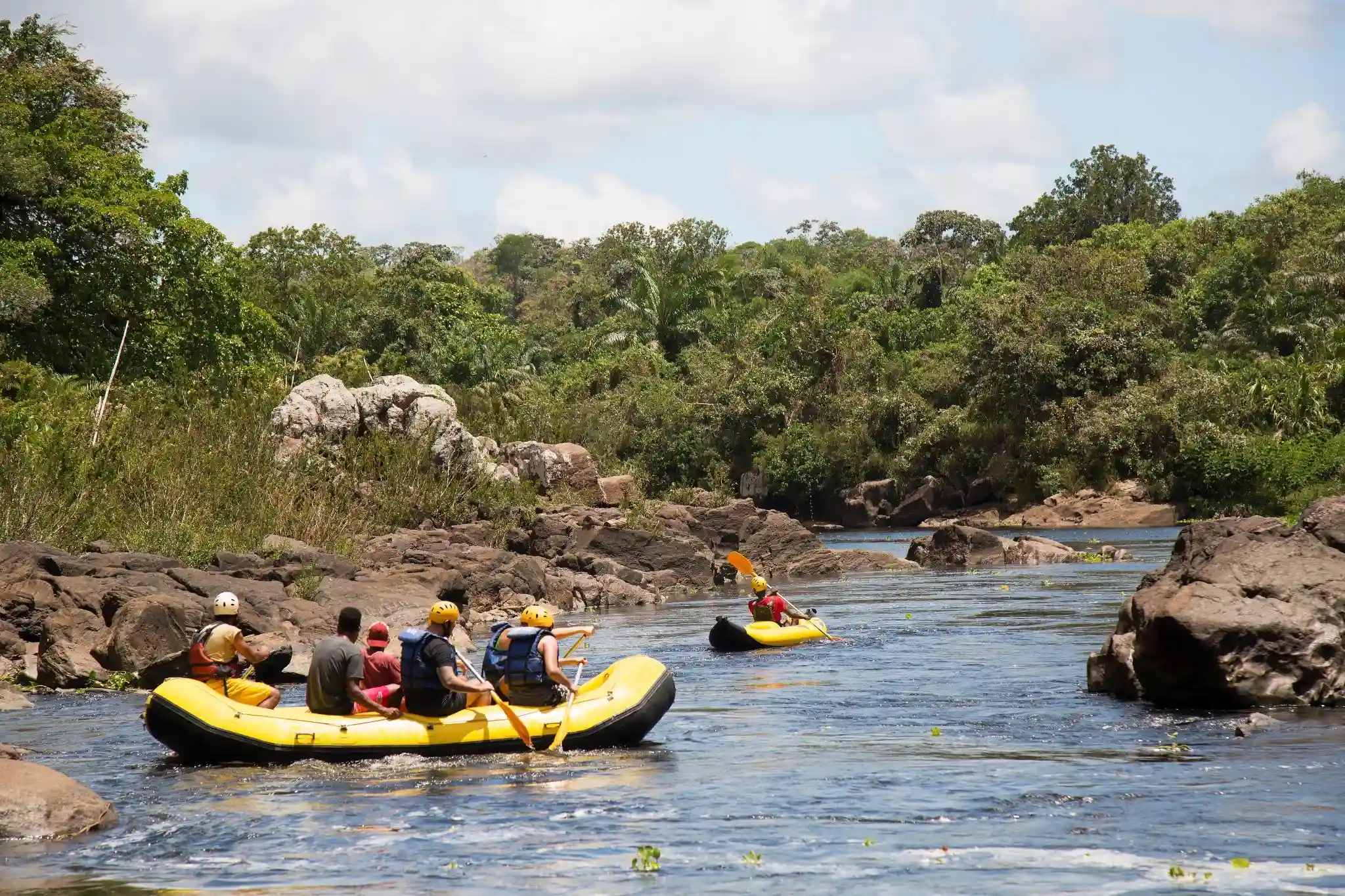
River rafting is an exhilarating adventure that combines the thrill of navigating rapids with the beauty of nature. For beginners, stepping into the world of river rafting can be both exciting and intimidating. However, with the right preparation and knowledge, you can embark on a rafting journey that is not only safe but also immensely enjoyable. In this guide, we’ll delve into essential river rafting tips that every beginner should know, ensuring you’re well-equipped to tackle your first river adventure.
Understanding River Rafting
Before you hit the water, it’s crucial to understand what river rafting entails. This activity involves navigating rivers in inflatable rafts, which can vary in size and design. Depending on the river’s characteristics, such as its flow and rapids, the experience can range from calm floats to thrilling whitewater challenges.
Types of River Rafting
There are several types of river rafting experiences, each suited for different skill levels. Class I rivers offer gentle currents ideal for families and beginners, while Class V rivers present extreme challenges for experienced rafters. Knowing the classification of the river you plan to tackle will help you prepare appropriately.
Essential Gear for River Rafting
One of the first steps in preparing for your rafting adventure is to gather the necessary gear. Having the right equipment not only enhances your experience but also ensures your safety on the water.
Personal Flotation Device (PFD)
A properly fitted PFD is essential for every rafter. It should be Coast Guard-approved and designed specifically for water sports. Make sure it fits snugly and allows for freedom of movement. A good PFD can be the difference between safety and danger in unpredictable river conditions.
Helmet
A helmet is vital, especially in areas with rapids. It protects your head from potential impacts with rocks or other obstacles. When choosing a helmet, look for one specifically designed for water sports, ensuring it fits securely.
Appropriate Clothing
Dress appropriately for your rafting adventure. Quick-drying materials such as synthetic fabrics are ideal, as cotton retains water and can lead to discomfort. Layering is also wise, allowing you to adjust to changing weather conditions. Don’t forget about water shoes with good traction to navigate slippery surfaces safely.
Raft and Paddles
If you’re renting equipment, ensure that the raft is in good condition and suitable for the river class you’ll be tackling. If you’re purchasing your own, look for inflatable rafts designed for beginners. Paddles should be lightweight and comfortable to grip.
Safety First: Essential River Rafting Tips
Safety should always be your top priority when river rafting. Understanding the potential risks and how to mitigate them can make your experience enjoyable and secure.
Know Your Limits
As a beginner, it’s crucial to know your limits. Choose a river that matches your skill level and experience. Don’t be afraid to start with easier rivers before progressing to more challenging ones. It’s better to build your skills gradually than to dive headfirst into a situation that could be overwhelming.
Take a Guided Tour
For your first rafting experience, consider taking a guided tour. Professional guides are trained in safety protocols and river navigation. They can help you understand the river’s dynamics, teach you paddling techniques, and ensure your safety throughout the trip. This way, you can focus on enjoying the experience without the stress of navigating unfamiliar waters.
Understand River Signals
Every river has its own set of signals and signs. Familiarize yourself with these indicators before you set out. Knowing how to read the river can help you anticipate changes in flow and navigate obstacles effectively. Pay attention to your guide’s instructions regarding these signals, as they provide crucial information about what to expect.
Mastering the Basics: Paddling Techniques
Once you’re equipped with the right gear and safety knowledge, it’s time to learn some basic paddling techniques. Effective paddling will not only help you steer the raft but also ensure you work as a team with your fellow rafters.
Forward Stroke
The forward stroke is the primary paddling technique used to move the raft forward. To execute it, reach forward with your paddle, submerging it in the water. Pull it back towards your hip while keeping your elbows slightly bent. This motion should be smooth and fluid, allowing for efficient movement.
Backward Stroke
The backward stroke is used to slow down or reverse the raft’s direction. To perform this stroke, position your paddle behind you in the water and push it forward towards the front of the raft. This technique is especially useful when navigating tight spaces or avoiding obstacles.
Turning the Raft
To turn the raft, you’ll need to coordinate with your fellow paddlers. If you want to turn left, the left-side paddlers should paddle harder while the right-side paddlers paddle lightly or stop. This cooperative effort will help you maneuver the raft effectively.
Navigating Rapids: What to Expect
As you gain confidence in your paddling skills, you may encounter rapids during your rafting adventure. Understanding how to navigate these areas is crucial for your safety and enjoyment.
Reading the Rapids
Rapids can vary in intensity, and learning to read them is essential. Look for the following indicators:
- V Waves: These waves indicate the flow of water. The steeper and taller the waves, the more challenging the rapids.
- White Water: The frothy white water usually signifies fast-moving currents. Be prepared for a bumpy ride in these areas.
- Obstacles: Always be on the lookout for rocks, fallen trees, and other obstacles in the water. Guides will often point these out, but it’s important to stay alert.
Follow the Leader
When navigating rapids, listen to your guide’s instructions. They will direct you on the best path to take and when to paddle hard or hold back. Following their lead can significantly enhance your safety and overall experience.
Staying Calm During the Adventure
Even the most seasoned rafters can feel a surge of adrenaline when facing rapids. As a beginner, it’s essential to stay calm and focused throughout your adventure.
Breathing Techniques
If you start to feel anxious, practice deep breathing techniques. Inhale deeply through your nose, allowing your abdomen to expand, and then exhale slowly through your mouth. This technique can help ground you and alleviate feelings of panic.
Trust Your Team
Trusting your fellow rafters and your guide is crucial. Remember that everyone is in the same boat—literally! Communicate openly with your team, and don’t hesitate to ask questions or express concerns. A supportive group can make all the difference in your experience.
Post-Rafting Reflection: Embrace the Experience
After your rafting adventure, take some time to reflect on the experience. River rafting is not just about the thrill; it’s about connecting with nature and creating lasting memories.
Share Your Experience
Consider sharing your rafting experience with friends and family. Whether you take photos, write a blog post, or simply recount your adventure over dinner, sharing your journey can enhance your appreciation for the experience and inspire others to try it.
Explore Further
If you enjoyed your first rafting adventure, consider exploring other rivers and regions. Each river offers unique challenges and breathtaking landscapes. By continuing to develop your skills, you can embark on even more thrilling adventures in the future.
Conclusion
River rafting is an exhilarating experience that opens the door to adventure and connection with nature. By following these essential river rafting tips, beginners can navigate their first experience with confidence and safety. Remember to prioritize preparation, embrace teamwork, and enjoy the journey. With the right mindset and knowledge, you’ll be well on your way to becoming an avid rafter, ready to tackle rivers around the world.
FAQs
What should I wear for my first river rafting trip?
Wear quick-drying clothes, a bathing suit, and sturdy water shoes. Don’t forget a personal flotation device and sunscreen.
Is it safe for beginners to go river rafting?
Yes, as long as beginners choose appropriate rivers and go with experienced guides. They provide essential safety instructions and equipment.
How do I choose the right river for rafting?
Look for rivers classified as Class I or II for a beginner-friendly experience. Research local outfitters for guided tours that match your skill level.