
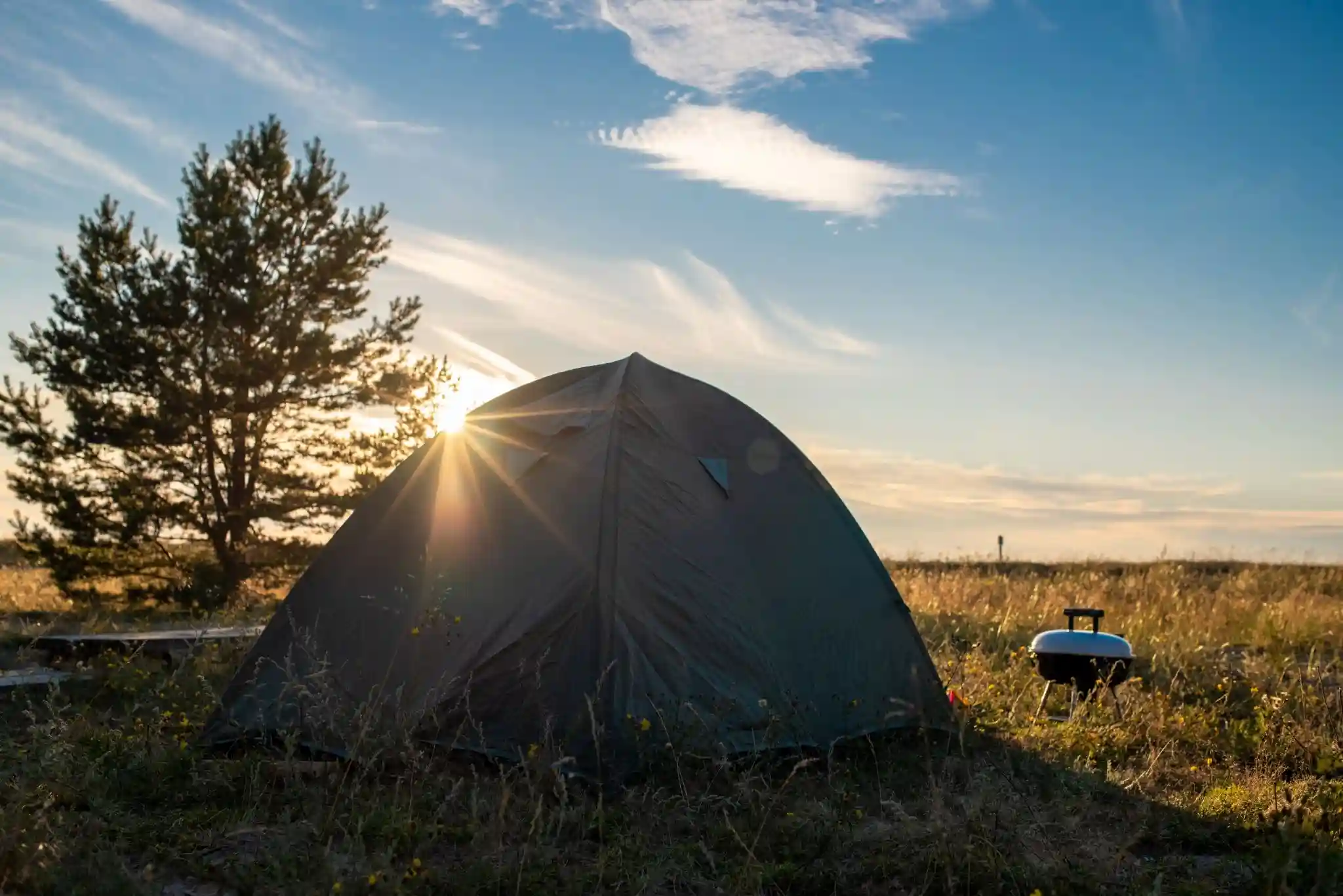
Establishing a safe campsite in the wilderness is more than just finding a place to pitch your tent. It’s about creating a sanctuary where you can relax, connect with nature, and enjoy the great outdoors without fear. As you embark on this journey, understanding key principles of safety and planning can transform your experience from merely enjoyable to truly unforgettable. This guide will walk you through essential steps to ensure your campsite is safe, comfortable, and in harmony with nature.
Understanding Your Environment
Before you even think about setting up your tent, it’s crucial to familiarize yourself with the landscape around you. The wilderness can be both beautiful and unpredictable. Recognizing the environment helps you make informed decisions about where to camp and how to stay safe.
Recognizing the Landscape
Every camping spot has unique features that influence your setup. When looking for a campsite, consider the terrain. Forests offer shade and shelter, but they can also hide hazards like falling branches. If you’re near a river, the sound of flowing water can be soothing, yet you must be aware of the potential for flooding. Take time to observe the surroundings.
Understanding local wildlife is equally important. Animals may inhabit the area and can pose risks. Research the types of wildlife you might encounter and their behaviors. For example, if you’re camping in bear country, knowing how to store food properly can prevent unwanted encounters.
Seasonal Changes and Weather Patterns
Weather can change rapidly in the wilderness, so it’s essential to assess conditions before setting up camp. Check forecasts, but also be aware of seasonal weather patterns. In spring, rivers may swell from snowmelt, while autumn can bring sudden temperature drops. Understanding these patterns helps you choose a location that minimizes risks.
For instance, if you’re camping in an area prone to heavy rain, seek higher ground to avoid flooding and choose a spot with good drainage. Always be prepared for unexpected changes in weather, as they can dramatically affect your camping experience.
Strategic Planning for Campsite Location
With the environment understood, the next step is strategic planning for your campsite location. A well-chosen site is the foundation of a safe and enjoyable camping experience.
Choosing the Right Spot
The first decision is where to set your tent. Look for a flat area that is free from debris and sharp objects. Avoid camping too close to water sources, as this can attract wildlife and increase the risk of flooding. Additionally, staying away from trails minimizes the chance of disturbances from hikers and animals.
Consider the natural features around you. Is there a rock formation that offers wind protection? Are there trees that can provide shade during the day? These factors can enhance your comfort while also contributing to your safety.
Evaluating Natural Resources
Having access to natural resources can greatly improve your camping experience. Assess the availability of firewood for cooking and warmth. If you’re near a water source, ensure it’s safe for drinking. Many campers carry water purification systems to filter out contaminants. This not only ensures hydration but also reduces the weight of carrying excessive water from home.
Look for natural windbreaks, such as bushes or trees. Positioning your campsite near these features can shield you from strong winds and create a more comfortable environment. Remember, planning your campsite layout is crucial for both safety and enjoyment.
Safety First: Essential Practices
Once you’ve chosen the perfect location, it’s time to focus on safety. Establishing safety practices is vital to prevent accidents and injuries during your stay in the wilderness.
Fire Safety Protocols
A campfire can enhance your experience, providing warmth, light, and a place to cook. However, fire safety cannot be overstated. Always use established fire pits where available, and keep the fire small and manageable. Before starting a fire, ensure the area is clear of flammable materials such as leaves and dry grass.
When it’s time to extinguish the fire, do so properly. Douse the flames with water, and stir the ashes to make sure everything is cool to the touch. This practice not only keeps you safe but also protects the environment from wildfires.
Wildlife Precautions
Having a safe campsite means being aware of the wildlife in your area. Food storage is one of the most critical aspects of preventing wildlife encounters. Use bear canisters or hang food in bags from trees, ensuring they are at least ten feet off the ground and four feet away from the trunk. This makes it harder for animals to access your food.
Understanding animal behavior is also essential. For example, if you encounter a bear, avoid direct eye contact, back away slowly, and make noise to alert it of your presence. Knowing how to react in these situations can keep you and the wildlife safe.
Creating a Comfortable Living Space
Now that safety is prioritized, focus on creating a comfortable living space that enhances your camping experience. Comfort is key to enjoying the wilderness fully.
Tent Setup Techniques
Proper tent setup is fundamental for a successful camping trip. Start by pitching your tent on level ground, ensuring it is secure. Look for an area with good drainage to avoid waking up in a puddle after a rainstorm.
Consider the orientation of your tent as well. Position it so that the entrance faces away from prevailing winds. This can help prevent drafts and keep your living space warmer. Additionally, using a footprint or tarp underneath your tent can provide extra protection from moisture and debris.
Organizing Your Campsite
Once your tent is set up, it’s time to organize your campsite efficiently. Create designated areas for cooking, sleeping, and relaxing. Keep cooking areas away from your sleeping space to minimize exposure to smoke and potential accidents.
Utilize natural features for comfort. For instance, setting up your seating area near a beautiful view or under a tree can enhance your relaxation. Arranging your campsite thoughtfully not only improves safety but also enriches your overall experience in the wild.
Emergency Preparedness
Even with the best planning, emergencies can occur. Being prepared can make a significant difference in how you handle unexpected situations.
First-Aid Essentials
A well-stocked first-aid kit is invaluable. Include items such as adhesive bandages, antiseptic wipes, gauze, and pain relievers. Familiarize yourself with basic first-aid techniques, such as how to treat cuts, insect bites, and sprains. Knowing these skills can give you confidence in handling minor injuries that may occur while camping.
Consider taking a first-aid course before your trip. This knowledge can be a lifesaver, especially in remote areas where help may not be readily available. Having the skills to respond to emergencies empowers you to enjoy your trip with greater peace of mind.
Communication Plans in the Wild
Establishing a communication plan is crucial for safety. Make sure to inform someone of your camping plans, including your expected return date. This provides a safety net in case something goes wrong.
If you’re in a remote area, consider carrying a signaling device, such as a whistle or a mirror. These tools can be effective in attracting attention in emergencies. Additionally, agree on a meeting point with your group in case anyone gets separated. Clear communication can prevent confusion and enhance safety.
Conclusion: Embracing Safety and Enjoyment
Setting up a safe campsite in the wilderness is an essential part of any camping adventure. By understanding your environment, strategically planning your location, and implementing safety practices, you create a sanctuary that allows you to connect with nature fully. Remember, the wilderness can be unpredictable, but with preparation and awareness, you can enjoy all it has to offer.
As you embark on your next camping trip, keep these principles in mind. Embrace the beauty of the outdoors while prioritizing safety. Your journey into the wild should be filled with joy, discovery, and cherished memories.